dollars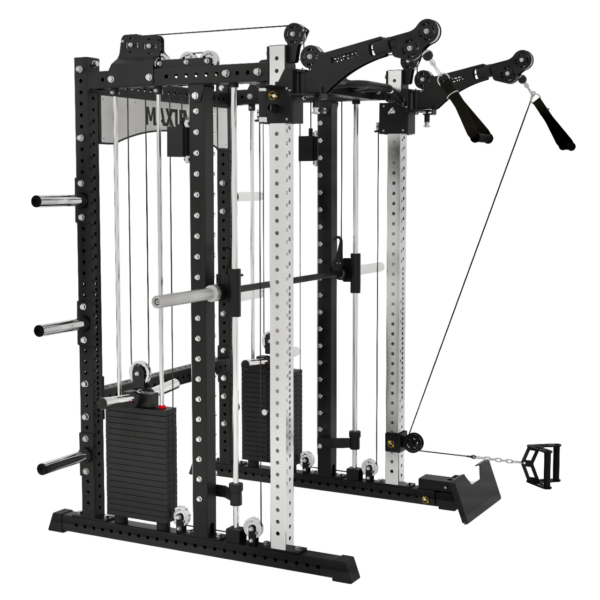
Functional Trainer Exercises for Maximum Strength Gains
A lot of lifters think of a functional trainer as a machine for light work, rehab drills, or finishing sets. That is part of the picture, but it is not the full story. A good functional trainer can support serious strength work if you choose the right exercises, load them properly, and treat them like more than an accessory station.
The key is exercise selection. If your goal is strength, you want movements that let you create tension, use enough load, and progress over time. That means fewer random cable variations and more focus on stable, repeatable patterns.
Why a functional trainer can work for strength
A functional trainer gives you constant tension and a wide range of movement options. It also lets you train from angles that are harder to match with barbells or dumbbells alone. For home gym users, it can be one of the most useful pieces of equipment because it covers pressing, pulling, lower-body work, and core training in one footprint.
It will not replace every heavy barbell lift, but it can still be a strong tool for building muscle and strength.
The best functional trainer exercises for strength
1. Cable Chest Press
This is one of the best pressing options on a functional trainer. Set the pulleys just below chest height, brace hard, and press like you would on a standing machine press. Use a split stance if needed for more control.
The goal is not speed. The goal is a strong press with full-body tension.
2. Standing Cable Row
A cable row can be loaded hard if the machine has enough resistance. Stand square, keep the trunk tight, and pull the handles toward the lower ribs. This is a strong upper-back builder and works well as a main pull in a cable-based session.
3. Half-Kneeling Single-Arm Press
This lift builds pressing strength and forces you to control rotation at the same time. The half-kneeling position keeps the movement honest. It is a strong option for shoulder and chest work when you want more control than a standing press.
4. Cable Split Squat
A split squat on a functional trainer works well because the load stays smooth and easy to control. Hold the handles or attach the load in a way that lets you focus on leg drive and position. This movement is useful for building lower-body strength without needing a full rack setup.
5. Cable Romanian Deadlift
This is a strong hinge pattern for lifters who want tension through the hamstrings and glutes. Attach a straight bar if available, step back enough to get line tension, and hinge with control. Keep the lats tight and the bar path close.
6. Lat Pulldown Variation
If your functional trainer supports a pulldown setup, use it. Vertical pulling matters for strength and back development. Choose a grip that feels natural and train it with the same focus you would bring to a row.
7. Cable Face Pull
This is not your main strength lift, but it helps support shoulder function, upper-back work, and posture. When used after rows and presses, it adds useful volume without much setup.
8. Pallof Press
Strength is not only about pressing and pulling load. Core stability matters too. The Pallof press helps train resistance to rotation, which supports better performance across many other lifts.
How to program these movements
A simple way to structure a strength-focused functional trainer workout is to build around one press, one pull, one lower-body movement, and one core movement.
Here is one example:
- Cable Chest Press: 4 sets of 5 to 8 reps
- Standing Cable Row: 4 sets of 6 to 8 reps
- Cable Split Squat: 3 sets of 8 reps per side
- Cable Romanian Deadlift: 3 sets of 8 to 10 reps
- Half-Kneeling Single-Arm Press: 3 sets of 6 to 8 reps per side
- Face Pull: 3 sets of 10 to 12 reps
- Pallof Press: 3 sets per side
This gives you enough work for a full session without turning the workout into a long list of cable movements.
How to make the exercises productive
Treat these lifts like strength work, not like filler. That means tracking loads, managing reps, and progressing over time. If the machine allows it, add weight as soon as you can hit the top of the rep range with solid form.
It also means controlling setup. One of the biggest mistakes on a functional trainer is letting position fall apart. If your torso shifts all over the place or your lower body is unstable, the lift stops being about strength and becomes about surviving the rep.
Who benefits most from this style of training
Functional trainer strength work makes sense for home gym users who want one machine to do a lot. It also works well for people training alone, because cable movements are easy to set up, repeat, and push hard without needing a spotter.
If your trainer has enough usable resistance, you can build full sessions around it and get real progress from the machine.
A functional trainer is not limited to pump work. With the right lifts and a clear plan, it can support heavy rows, hard presses, lower-body training, and core work in a way that fits well in a home gym. Choose exercises that let you load the movement, stay stable, and progress over time. That is what turns a functional trainer into a strength tool.