dollars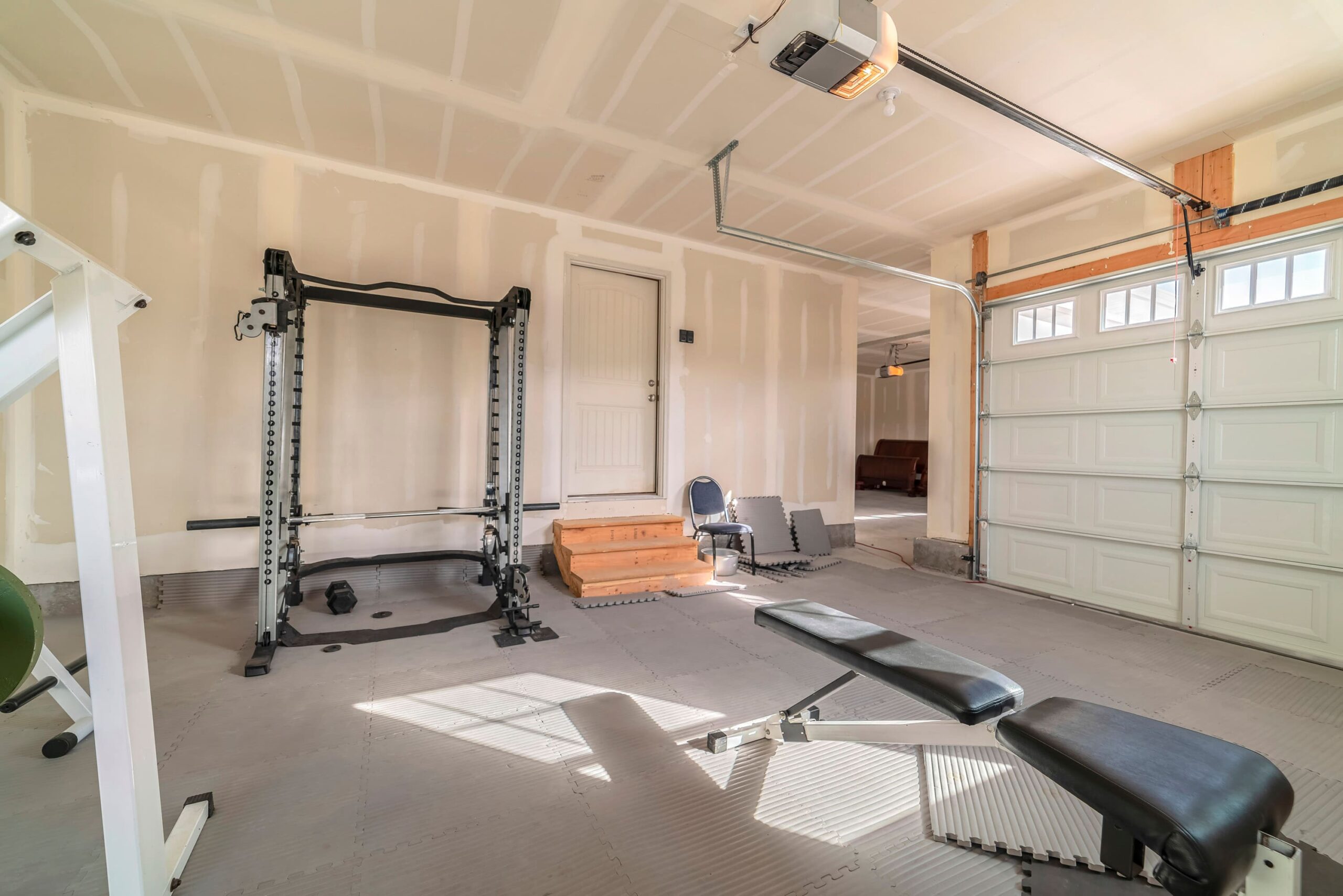
How to Build a Functional Home Gym in Your Basement
If you’re serious about training, your basement might be the most underrated space in your house. Learning how to build a home gym in your basement isn’t about filling the room with random equipment. It’s about building a focused, durable setup that supports real strength, conditioning, and long-term progress.
No commute. No waiting on equipment. Just you and the work! Keep reading to learn more.
Step 1: Space Planning
Basements come with unique considerations. Ceiling height is usually lower, so measure carefully before bringing in taller racks. Leave clearance for overhead presses, pull-ups, and plate loading.
Lighting matters more than people think. Bright, clean lighting makes the space feel intentional, not like a storage room. Ventilation also matters. Even in a climate-controlled basement, airflow keeps the space comfortable and protects your equipment from moisture buildup.
Step 2: Floor Installation
Concrete floors are strong, but they’re not meant to absorb repeated impact. Proper gym flooring protects your foundation, reduces noise, and gives your setup a professional feel.
Install durable flooring before anything else. This step prevents long-term damage and immediately upgrades the look of your space.
Step 3: Build Around a Strength Anchor
Every serious basement gym needs a backbone. That’s your rack.
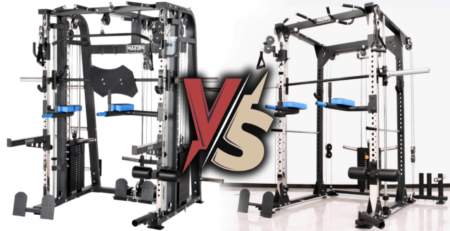
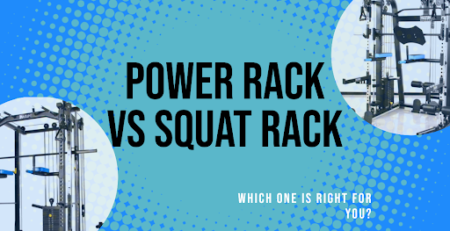
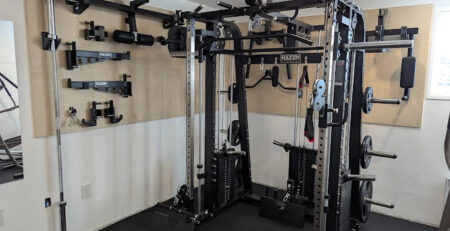
A quality squat or power rack allows you to train squats, presses, rows, and countless accessory movements safely and efficiently. Choose a rack that fits your ceiling height and gives you room to move. This is the core of your training.
Step 4: Add Progressive Load
Strength requires progressive overload. That means plates. Durable weight plates are non-negotiable in a serious setup. Start with enough weight to challenge your main lifts and build over time. You don’t need every plate at once. Buy what you’ll use now and expand as you get stronger.
Step 5: Expand Your Tools
Once your foundation is set, add equipment that increases variety without overwhelming the space.
- Dumbbells for unilateral work and accessory training:
- Kettlebells for conditioning and explosive movement:
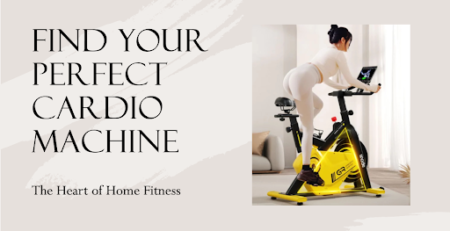
- Cardio equipment to keep conditioning consistent year-round:
- Accessories like bands, handles, and attachments to fine-tune your programming:
These additions round out your setup without turning your basement into a cluttered warehouse.
One Home Gym to Rule Them All
The biggest mistake people make when figuring out how to build a home gym in your basement is trying to copy a commercial gym. You don’t need everything. You just need the right things.
When you choose the right equipment that does multiple jobs, your basement gym becomes more than just a place to lift. It becomes your daily commitment to getting stronger.
Build it once, train hard for a long time!