dollars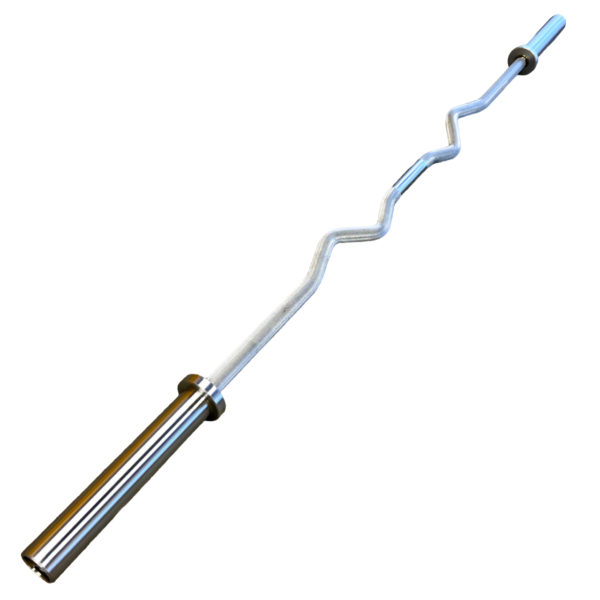
Best Specialty Barbells: A Lifter’s Guide to Which Ones Are Worth Your Money
A standard straight bar covers a lot. You can squat, bench, deadlift, row, press, and build a full program around it. So where do specialty bars fit in? They can add variety, reduce strain on certain lifts, and help lifters work around pain, mobility limits, or training goals. That said, not every specialty bar belongs in every home gym.
If you are building a serious setup, the question is not whether specialty bars are useful. The question is which ones give you enough return to justify the space and cost.
The first one many lifters look at is the trap bar. For a lot of home gyms, this is one of the strongest specialty bar choices. It can be used for deadlifts, carries, shrugs, split squats, and jumps. The neutral grip changes how the load feels and can make pulling more accessible for lifters who do not like conventional deadlifts with a straight bar. It is also useful for athletes and general strength work. If you want one specialty bar that does a lot, the trap bar is usually near the top of the list.
Next is the safety squat bar. This bar changes upper-body position and makes squatting easier to manage for lifters with shoulder or wrist issues. It also creates a different challenge for the upper back and trunk. For many lifters, it becomes one of the best tools for squat volume because it is easier to set up and easier to recover from than straight-bar squatting. If squats are a major part of your training and comfort matters, this bar can be worth the investment.
The cambered or multi-grip football bar can also make sense. It gives you neutral grip pressing options, which can help if straight-bar benching bothers your shoulders. It also opens up more row and accessory options. This type of bar is often a good fit for lifters who want pressing variation without giving up load.
Then there is the curl bar. It is common, useful, and not too expensive, but it should not be the first specialty bar most people buy. It works well for curls, skull crushers, and some pressing variations, but it does not change your setup as much as a trap bar or safety squat bar would. It is a good add-on once the main lifts are already covered.
Axle bars, deadlift bars, and squat bars can be useful too, but they are more specific. An axle bar can challenge grip and add variation. A deadlift bar changes pull mechanics and flex. A squat bar gives more comfort and stiffness under heavier loads. These bars tend to make more sense for lifters with a deep setup who already know why they want them.
For most home gyms, the best order is simple. First get your straight bar, plates, rack, and bench sorted out. After that, a trap bar is often the best next move. A safety squat bar is a strong second option, especially for lifters who squat often or want more comfort. A multi-grip bar can be a smart third choice if pressing variety matters.
Specialty bars are worth the money when they improve how you train, not just how your gym looks. The best ones help you train around limitations, add useful variation, and stay consistent over time. The wrong ones take up space and collect dust.
If you buy with purpose, a specialty bar can be one of the best upgrades in a home gym. Just make sure it fits your program, your space, and the way you actually lift. That is what makes the investment pay off.