dollars
Back Day on the Smith Machine: The Warm-Up Lifters Actually Need
A lot of lifters treat the warm-up like a box to check. A few arm circles, one light set, then straight into rows or heavy pulls. That might feel efficient, but it usually leaves too much on the table. A good back workout starts before the first working set. If you want better reps, stronger positions, and less wasted time, your warm-up needs to do more than raise your body temperature.
This matters even more on a Smith machine. The fixed bar path can help you train hard and stay consistent, but it also means your setup needs to be dialed in. If your shoulders feel stiff, your upper back is not engaged, or your hips and trunk are not ready to support the movement, the workout can feel off from the start.
The goal of a warm-up is not to get tired. The goal is to get ready. On back day, that means opening up the shoulders, waking up the upper back, getting the trunk stable, and preparing for the movement patterns you are about to load.
Why Smith Machine Back Work Still Needs a Real Warm-Up
Some lifters assume the Smith machine requires less prep because the bar path is fixed. In reality, that is part of why the warm-up matters. Since the machine guides the path, your body has less room to adjust around poor positioning. If you walk in tight and start rowing or hinging with a bad setup, the machine will not fix that for you.
A strong warm-up helps you find better posture, smoother reps, and better tension where you actually want it. That makes a big difference on movements like Smith machine bent-over rows, Romanian deadlifts, shrugs, and rack pulls.
Start With General Heat
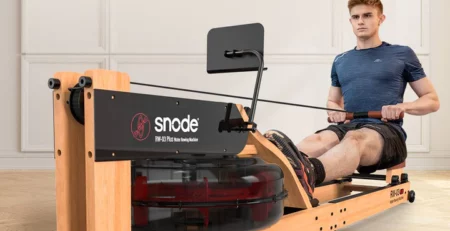
Before you touch the bar, spend three to five minutes getting your body moving. This does not need to be complicated. A brisk walk, bike, rower, or light bodyweight circuit is enough. The goal is to raise your temperature and get rid of that stiff feeling that shows up when you go from sitting to lifting.
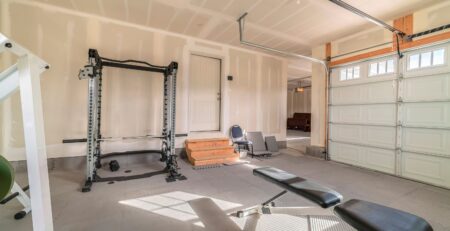
If you train in a garage or basement, this matters even more. Cold rooms make it harder to feel loose early in the session.
Open Up the Shoulders and Upper Back
Back training depends on shoulder movement and upper-back control. If those areas feel locked up, rows get short, shrugs turn sloppy, and your setup falls apart fast.
A few warm-up drills can help:
Band Pull-Aparts
Do 2 sets of 12 to 15 reps.
This is a simple way to get the upper back working. Keep the arms mostly straight and pull the band apart under control. Focus on moving through the upper back, not just flaring the ribs.
Face Pulls With a Band or Cable
Do 2 sets of 10 to 12 reps.
Face pulls help wake up the rear delts, upper back, and muscles that support shoulder position. They also help clean up posture before heavier pulling work.
Scapular Wall Slides or Shoulder Circles
Do 1 to 2 sets of 8 to 10 reps.
These help the shoulders move a bit more freely before you load them. The point is not to force range. It is to get the area moving in a controlled way.
Prep the Hinge and Trunk
A lot of Smith machine back work depends on a strong hinge and a stable trunk. Bent-over rows, RDLs, and rack pulls all need your hips and midsection to be ready before the weight goes up.
Bodyweight Good Mornings
Do 2 sets of 10 reps.
This helps groove the hinge pattern without load. Keep it simple. Push the hips back, keep the chest set, and feel the hamstrings turn on.
Dead Bugs or Bird Dogs
Do 1 to 2 sets of 6 to 8 reps per side.
These drills help get the trunk engaged. That matters because a stable torso gives you a better base for rowing and hinging once you get under the bar.
Glute Bridges
Do 1 to 2 sets of 10 reps.
The glutes support a lot of your back training, especially on hinge-based movements. This is a simple way to turn them on before heavier sets.
Use Ramp-Up Sets, Not Just One Light Set
Once the body is moving better, the last part of the warm-up is specific prep with the lift itself. This is where many lifters rush. One empty bar set is not always enough, especially if your first working set is heavy.
If you are doing Smith machine bent-over rows, build up in steps:
- Empty bar for 10 to 12 reps
- Light load for 8 reps
- Moderate load for 5 reps
- First working set
If the workout starts with Romanian deadlifts or shrugs, use the same idea. Let the warm-up sets teach you the bar path, grip, and body position before the real work starts.
A Simple Smith Machine Back Day Warm-Up
If you want a structure that works, use this:
1. General movement
3 to 5 minutes
2. Band pull-aparts
2 sets of 12 to 15
3. Face pulls
2 sets of 10 to 12
4. Bodyweight good mornings
2 sets of 10
5. Dead bugs or bird dogs
1 to 2 sets per side
6. Glute bridges
1 to 2 sets of 10
7. Ramp-up sets on your first Smith machine lift
3 to 4 sets building to your work weight
This takes about 10 minutes, sometimes less. That is not wasted time. It usually leads to better first sets, better back engagement, and fewer workouts where everything feels stiff.
Final Thoughts
The warm-up lifters actually need is not long or flashy. It is focused. It gets heat into the body, opens up the shoulders, turns on the upper back, prepares the hinge, and builds into the first working set with purpose.
On Smith machine back day, that matters. The better your setup, the better the lift feels. And when the lift feels right from the start, the whole session tends to go better. That is what a warm-up should do.