dollars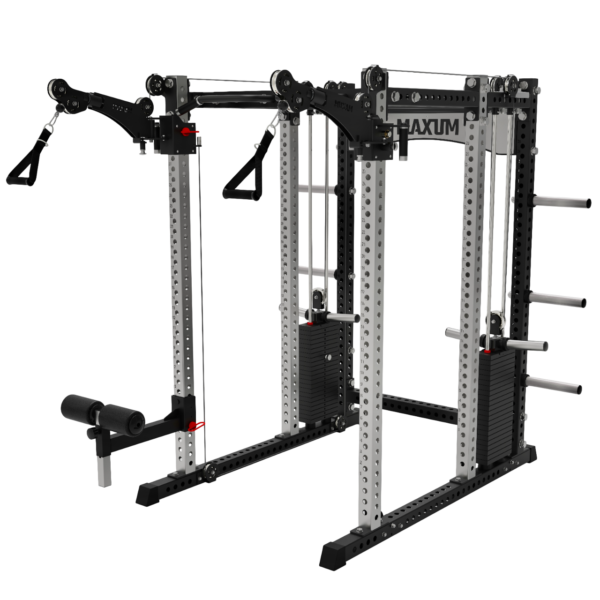
Functional Trainer Cable Ratios Explained for Home Gyms
Cable ratio is one of the first things serious buyers should look at when comparing functional trainers. It affects how the machine feels, how much resistance you get at the handle, and what kind of training the machine supports. If you skip this detail, you may end up with a trainer that looks good on paper but does not match how you actually lift.
The good news is that cable ratio is not hard to understand once you break it down.
What does cable ratio mean?
A cable ratio tells you how the selected stack weight translates to the resistance you feel at the handle.
If a machine has a 2:1 ratio, the handle moves two feet for every one foot the weight stack moves. Because of that setup, you feel about half the selected weight. If a machine has a 4:1 ratio, the handle moves four feet for every one foot the stack moves. In that case, you feel about one quarter of the selected weight. So if you select 100 pounds on a 2:1 machine, you feel around 50 pounds at the handle. If you select 100 pounds on a 4:1 machine, you feel around 25 pounds.
Why it matters in training
The ratio changes both resistance and cable travel.
A 2:1 ratio gives you more resistance at the handle. That makes it a better fit for users who want to row, press, pulldown, and perform heavier cable work. If you train for strength or want the machine to handle more than light accessory work, this ratio often makes more sense.
A 4:1 ratio gives you less resistance but more cable travel. That can feel smooth and useful for lighter work, rehab-style movements, and certain isolation exercises. It may also be a better fit for beginners or shared home gyms where not every user needs heavy loads.
The key point is that cable ratio affects the machine’s role in your gym. A 2:1 setup often feels more like a strength tool. A 4:1 setup often feels more like a movement and accessory tool.
Real-world examples
Let’s say you are doing cable rows.
On a 2:1 trainer with a 200-pound stack, you may feel enough resistance to train rows and pulldowns seriously. That gives the machine more long-term value for stronger users.
Now imagine the same stack on a 4:1 machine. You get more cable travel, but the usable resistance for heavier pulling work drops a lot. That may still be fine for face pulls, flyes, triceps work, or mobility drills, but it can feel limited if your goal is strength.
That is why stack weight alone does not tell the whole story. A heavier stack on a high-ratio machine may still feel light depending on the setup.
Which ratio is better?
There is no single answer. The better ratio depends on your training.
A 2:1 ratio is often better if you:
- Want more usable resistance
- Plan to do rows, presses, pulldowns, and split squats
- Train for strength and muscle
- Want the trainer to handle heavier work over time
A 4:1 ratio may work if you:
- Use cables mostly for lighter movements
- Want smooth, longer cable travel
- Train more for general fitness
- Share the machine with users who do not need much load
For most serious home gym buyers, a 2:1 ratio is usually the stronger choice. It gives the machine more room to grow with you and supports a wider range of heavy training.
Do both handles change things?
Yes. On many functional trainers, using both handles at once can affect how the load feels depending on the design. That is why it helps to understand not just the ratio, but also how the machine works in practice. Some machines feel fine for isolation work but light for compound pulling or pressing. The only way to judge that properly is to look at both the ratio and the total usable resistance.
What to check before buying
When comparing machines, ask these questions:
- What is the cable ratio?
- What is the actual stack weight?
- Will the felt resistance be enough for my training?
- Do I want this machine for strength work or lighter accessory work?
- Am I likely to outgrow this setup?
These questions matter because a functional trainer should fit your goals, not just your floor plan.
Why buyers often miss this detail
Many people focus on size, attachments, or how the machine looks. Those things matter, but cable ratio tells you more about how the trainer will perform once you start using it. Two machines can look similar and still feel very different when you row, press, or pull.
That is why cable ratio should be part of the buying decision from the start.
If you want a functional trainer that supports real strength work in a home gym, do not ignore this spec. A good ratio helps the machine stay useful across more exercises and over more years of training. Once you understand how 2:1 and 4:1 setups change resistance and feel, it becomes much easier to choose the right machine for your space and your goals.