dollars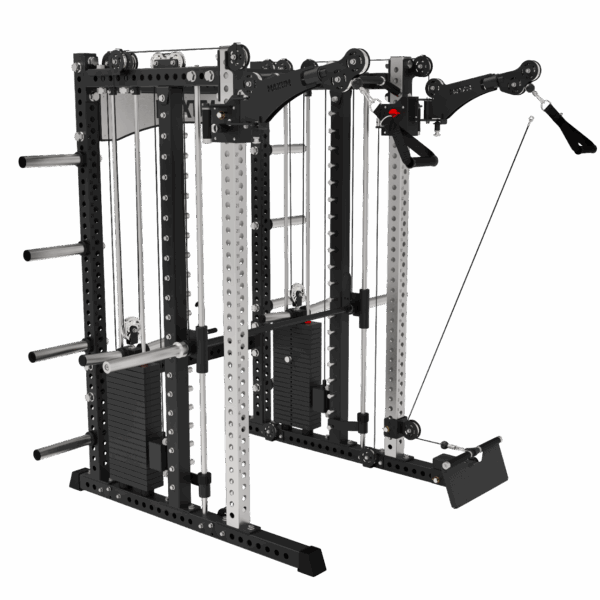
How to Choose the Best Functional Trainer for Home Gym
A functional trainer can cover a lot in a home gym. It can handle presses, rows, flyes, pulldowns, curls, triceps work, core training, and lower-body movements without taking up the space of several separate machines. That makes it a strong option for people who want variety and efficiency in one setup.
Still, not every functional trainer is the right fit for every home gym. Two machines may look similar online, but once you compare how they move, how much resistance they provide, and how they fit your room, the differences become clear. If you want to make a smart choice, it helps to focus on the parts that affect real training.
Start With How You Plan to Train
The first step is to think about how you plan to use the machine. Some people want a functional trainer mainly for accessory work. That usually means flyes, face pulls, curls, lateral raises, and triceps pressdowns. Others want it to do much more. They want to use it for rows, cable presses, pulldowns, split squats, and full-body workouts. That distinction matters because it changes what kind of machine makes sense.
Understand Why Cable Ratio Matters
If you want the trainer to support heavier work, cable ratio should be one of the first things you look at. A 2:1 ratio usually gives you more usable resistance at the handle. That makes it a better fit for rows, presses, pulldowns, and other strength-focused lifts. A 4:1 ratio gives you more cable travel, but less resistance. That can still work well for lighter movements, but it may feel limited if you want the machine to handle harder training over time.
Check the Stack Weight
Stack weight matters for the same reason. A machine may look capable, but if the weight stack is too light for your goals, it will stop being useful sooner than you expect. This is especially important for stronger users or anyone planning to use the trainer as a main part of their setup. Cable work can challenge the body in a different way than barbells or dumbbells, but the machine still needs enough resistance to keep the work productive.
Measure Your Space Before You Buy
Space planning is another part of the decision that should happen early. A functional trainer needs more than floor space for the frame itself. You also need room to stand, pull, press, and move through each setup without feeling boxed in. Ceiling height matters too. Some home gym buyers focus only on width and depth, then realize too late that the machine sits too close to the ceiling or makes installation harder than expected. Measuring before you buy saves a lot of frustration.
Look at the Pulley Range
Pulley range is another detail that affects how useful the machine will be. The pulley arms should move high enough and low enough to support the exercises you want to do. That includes chest work, shoulder work, rows, rotations, core training, and many lower-body movements. If the adjustment points are too limited, the machine becomes harder to use for people of different heights and harder to adapt across more training styles.
Make Sure the Frame Feels Stable
Frame stability matters once the weight gets heavier. A functional trainer should feel planted when you row, press, and pull. If the machine shifts or feels light under load, it can affect how much trust you have in the setup. In a home gym, that matters a lot. You want equipment that feels ready for repeated use, not something that feels fine only for lighter movements.
Decide Between a Cable Station and an All-in-One Unit
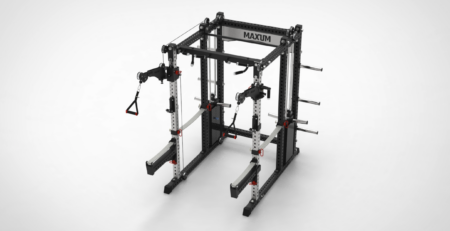
This is also where all-in-one units come into the conversation. Some functional trainers include a rack, pull-up bar, or Smith machine. For many home gym users, that can be a smart solution. One machine can handle cable work, bar work, and bodyweight training in one footprint. That can be helpful if you want to train with more variety but do not have the room for separate stations. The key is to choose an all-in-one setup because you will use those features, not just because the machine offers more on paper.
Do Not Focus Too Much on Attachments
Attachments can add value too, but they should not drive the whole decision. A trainer may come with handles, bars, rope attachments, or extra accessories, and those can be useful. Still, the frame, cable feel, stack design, and pulley setup matter more. A long accessory list does not fix a machine that does not fit your training.
Choose a Functional Trainer That Will Still Work for You Later
A good functional trainer should match the way you lift now and still make sense as your training progresses. It should fit the room, support the lifts you care about, and give you enough resistance to keep the machine useful beyond the first few months. That is what separates a good purchase from one that feels limited too soon.
For most home gym buyers, the best choice comes down to a few practical factors. Look at how much resistance the machine really gives you. Look at how much room you have to work with. Look at the pulley range and whether it supports the exercises you actually plan to do. Then decide whether you want a dedicated cable station or a larger all-in-one system.
A functional trainer should make training more efficient, not more complicated. If the machine supports your goals, fits your space, and feels solid under real use, it will do its job well. That is what matters most when choosing one for your home gym.